Wednesday, September 11, 2019

House plants for clean air

With the cooler weather coming soon it’s time to get a few houseplants that filter your indoor air. Easy to grow plants that thrive with minimal care and water are the best way to help clean, absorb and eliminate harmful pollutants from the air. These plants reduce toxins indoors as they suck up bad VOC’s (volatile organic compounds) that are found in new plastic, carpets, wood products, paint and even cigarette smoke. They are most dangerous in winter months when we close our windows and doors. Testing has shown that VOC’s cause headaches, cancer, eye, ear, and throat irritation, nausea, damage to kidneys and liver as well as central nervous system in humans and animals. Some are more toxic than others but it depends on how much concentrated these hazardous compounds are in your home. One way to avoid them is to look for products marked LOW-VOC or no VOC’s when making new purchases. Tropical plants can help reduce VOC’s.


Snakeplant or Mother-in-law-tongue is one that tolerates low to medium light and irregular watering. Plant in a pot and forget about it as it does well in any home. Just Do Not Overwater it. Aloe also does well in low light with very little care. It has fleshy stems that are succulent and stores water so is easy to grow. Jade plants and Kalanchoe are easy tropical plants that grow slowly, need little water and grow in most light conditions. They also tolerate cooler temperatures indoors. Wandering Jew is another one with patterned leaves in blue green or silver stripes. Use them in hanging baskets in a kitchen or bathroom where they can get some humidity. It’s easy to propagate new cuttings in water. Devils ivy is a vine from Polynesia that can grow rapidly if not trimmed. The heart shaped leaves are sometimes variegated or striped and glossy. They are good at removing VOC’s from our homes. Be aware that this plant is toxic to cats and dogs so keep away from pets.


Headera Helix (ivy) is a vine that can be trained as a topiary or living wreath indoors. Some can become invasive if not trimmed often but are easy to grow. Bamboo palms can be great in large pots and are very ornamental. When they become too large divide them and re-pot, or cut back the old part and it will regrow. They will be fine in low indirect light and can be as big as 12 meters high when full grown. Chinese evergreen and Peace lily both are others to consider but are toxic to animals if eaten.


Tuesday, September 10, 2019

Fall cleanup


Canna Lilies are a large summer bulb that has giant banana like plant leaves and grow to a height of 7 or 8 feet tall. There are many kinds with dark red leaves, variegated leaves of solid green. Blooms vary from dark red to orange in color. In fall dig up the entire plants, trim off the stems, dry and clean the bulbs to be stored in a cool dry place in your basement. Store in a wooden box that has holes for air to circulate to prevent rot. Do the same for bulbs like calla lily and any other summer flowering bulbs.
 

Fall is a good time to trim overgrown evergreens and flowering shrubs, cut back roses and trim vines for winter. You can cut off seed heads and trim perennials to about 5 or 6 inches. Some plants need to be covered with soil and or leaves to protect them from the cold. This is a good time to buy trees and shrubs at your garden center because they have them reduced on sale. Cooler temperatures in September are the ideal time to plant or move trees and shrubs. Be sure they get plenty of water if it doesn’t rain, right up to the end of October. This is a great time to dig up old or unwanted plants, things that are too large or a plant that has become root bound and didn’t bloom. Do this every 3 or 4 years for plants like hosta and day lily. As the leaves fall clean up and use in your compost pile. Plant garlic, shallots and young strawberries now as well as spring bulbs like tulips and daffodils. Dig up any summer bulbs like canna lily and dahlia, trim them, dry out and store in a box or mesh bag in cool dry basement over winter. Finish digging late potato crops before we get a hard frost, and bring your houseplants inside when the nights cool down to 10C or lower. Pick up any fallen fruit under trees, so pests don’t have a chance to overwinter in your yard. They like to crawl in and under rotting debris.


Clean, oil and sharpen all garden cutting or pruning tools before storing for winter. Stock pile as much plant material as you can now, bagging it up for composting in spring. Soft stems, annuals, leaves from trees can all be layered with kitchen scraps. Tender herbs can be potted up and brought indoors now for use in winter soups and stews. Cut back woody herbs like lavender and sage to about 6 inches. To grow a green manure plant some soybeans or rye and turn them over in early spring to rot and fertilize the soil. Use your evergreen branches to provide winter protection from winds on any tender perennials or shrubs like azalea and rhododendrons.

If you have perennials in pots be sure to dig a trench in the veggie garden to sink them in the ground to over winter. Be sure to place the pot deep in the ground and cover the rim of the pot with soil. Many hardy types will survive like this until spring and you can dig up the pots and decide to sell, give away or re-plant them in a new spot in your garden.

Tuesday, August 6, 2019

Rock gardens

You may have a gentle slope or uneven area in your yard that could be a rockery using some good size boulders and then rocks for the base with smaller ones for creating plant pockets. The highest area can be on the back or one side to create the illusion of even more height. Place taller plants there to help shelter the smaller plants from wind and sun. Add a short wall with brick or flagstone as well as places to step or informal paths in between to allow easy weeding and maintenance. Build your crevices and plant pockets with the smaller pieces of field stones to form outcropping and low areas, then fill with soil and compost to plant. All this can be planned out on paper ahead of time so you have a good idea of how much rock you will need, how many plants to buy and where they will go. Plant small bulbs like these mini allium. They are available with purple, white or yellow blooms. Most are finished blooming before the perennials and die back to disappear when finished.


You can plant a few and add to the rockery in between perennial plants over time. You may want a few low growing shrubs as well so buy and plant them first. They can be purchased in fall or on sale at the end of the season but don’t plant later than the end of September so they have time to become rooted well before winter. Creeping plants are great on the edge of walls and slopes if allowed to hang over to create a ground cover of blooms. SPRING: Don’t forget to plant a few spring bulbs in the fall, placed in between the late spring and summer perennials. They will add lots of colours to the garden early before anything else is emerging from the ground. Try mini tulips, crocus, grape hyacinth. Perennials for spring blooms include primrose, pulmonaria and rock cress.


EARLY SUMMER: Columbine, candytuft, thrift, bleeding heart, bellflower, lily of the valley, coral bells and Shasta Daisy will bloom in late May and early June. Mid to LATE SUMMER: Day lily, liatris, giant iris, Ajuga, lambs ears, thyme, artemisia, ornamental grass, black eye susan, sedum, Lady's Mantle and chrysanthemums all do well in rock gardens with mostly sunny locations. They are also drought tolerant plants once they become established in a rockery, need little care and water and don’t require special soil. Many low growing herbs like creeping thyme, creeping phlox and chives look great in crevices and pockets. Hens and chicks and low growing creeping sedum spread and root on the ground where their stems touch but are easy to control if trimmed back each spring. Use good top soil, compost with peat moss and manure when you start planting. This will allow the plants a good base soil to root in and become self sufficient for many years. Replenish with a top dressing of manure or compost every few years.


For winter protection from wind, freezing and thawing, simply leave some of the foliage to provide cover for the plants and clean up the dry stems and leaves in spring. Tender shrubs can be wrapped in burlap and roses need to be covered or collared with leaves to help with winters harmful wind and cold. Plant bulbs in October and see how much interest and color they add to your garden. Most spring bulbs die back when they are finished blooming at the end of May to make room for the perennials. Oxalis, Scilla, snowdrops and crocus all emerge as soon as the snow melts and do well in rock gardens. Mini tulips like “Tarda” are bright yellow and grow to 3 or 4 inches high. They have large 2 inch blooms and will multiply over time so you can dig some up and plant them all through the garden. Hyacinth and Daffodils also come in short mini varieties for a rockery.

Friday, July 5, 2019

Native Wildflowers

Hardy plants that thrive in your area, growing in meadows or ditches along roadsides are true native wildflowers. If you are curious about growing some of these plants it only requires you to take a hike along trails or a drive in the country. Our area of Southern Ontario and the surrounding Great Lakes Region is very diverse with many different mixed forests, open grassland, rivers and wildflower habitats. Local wildflowers can be used in a backyard garden to add color, variety and interest because they are easy to care for and already know how to survive well on their own. Choose plants that fit the habitats you already have in your garden. Some will thrive in open full sun while others grow well in shade under trees and shrubs. The site you plant in should mimic their home in the wild.


Wildflowers For Full Sun: Black eye Susan, Blazing Star, Thistles, Tansy, Boneset, Queen Anne Lace, Spurge, Lupine, Campion, Blue  Chichory, Meadowsweet, Yarrow, Plantain, Mullein and Pink or white clover.

Wildflowers For Shady Woodlands: Solomon Seal, Trillium, Jack in the pulpit, Lady’s Slipper, Bleeding Heart, Hepatiea, wood Nettle, Violets, wood sorrel.

 Wildflowers For Wetlands: Celandine poppy, Bloodroot, Dutchman breeches, St John wort, Purple Loostrife, Jacob Ladder. Columbine, Lupine and Liatris are all long lasting wildflowers that grow in most any conditions.


Wildflowers For a Sandy Rockery: Sedum, Milkweed, Campion, Meadowsweet, Honeysuckle, Teasel, Yellow Loostrife, Fall Aster, Pussy Toes, Milkworts, Pasque flower Wildflowers For Dry Shade: Evening Primrose, Cardinal flower, Violet, snakeroot, fleabane daisy Be sure to deadhead all the spent blooms to control seeds from spreading all over your garden.


Tuesday, June 18, 2019

Drying Flowers

It’s much easier today to dry large whole flower heads by using an old window screen. Poke holes in the screen and space out the blooms by inserting them so the stems hang down and the petals lay flat; you can do more for flower projects. Be sure to place books or bricks under the edge to raise your screen up to allow air to circulate from top and bottom. After they are completely dry spray with hair spray or varnish to preserve and help prevent them from falling apart. Try drying chives, marigolds, chrysanthemums, roses, cornflower and aster with this method because they all have large flower heads. All other herbs with small flowers like lavender can be cut and tied into small bunches to be hung up to dry. Place them in a attic, spare room, closet or shed out of direct sunlight for 2 to 5 weeks. Check them often and be sure to leave space between to allow air to circulate between them. Herbs for tea also require a warm dry place if you choose to air dry. You could cut or pick off the leaves, place on a cookie sheet and dry on the lowest setting in an oven. Try mint, parsley and bee balm. Once the leaves are dry store them in a jar out of light.


PRESERVING WITH GLYCERIN is also easy to do for stems of leaves or greenery in arrangements. Buy a bottle of glycerin at your local drug store, mix 2/3 cup to 1/3 cup of boiling water and place in a tall jar. Stand the cut leaf material upright in the jar. Remove all the bottom leaves and make some cuts in the stems to help them absorb the solution. If the leaves are large you may need to use a 50/50 mixture. Place them out of light in a dry place for 2 weeks and check often. It may take some as long as 5 weeks to absorb the solution. Good for preserving whole fern fronds, smaller stems with colorful red leaves like those from Purple sand cherry or gray Lambs Ears.

PRESSING flowers is another way to preserve them for craft purposes and is simple to do with a large amount of books and newspapers. Layer the blooms and leaves you want to press in between paper towels and newspaper to absorb the moisture, then pile some magazines or large books on top to create a press. Leave for a few weeks and check for dryness. You can purchase a press or use the method above as both work just as well. Use pressed flowers to decorate cards, bookmarks, or framed art. Glue to trays, tables or other small furniture to make a bold new look on old or recycled items. Be sure to seal with water based sealer or varnish to protect.

Thursday, June 13, 2019

Seasonal care of the garden

Care for outdoor containers or window boxes, planters, large pots and hanging baskets requires you to remove all the plants. Each spring you can add new soil and plants or replant any perennials you have over wintered. Containers are ideal for balconies, decks and patios but they need more watering than soil gardens, as they dry out quickly. You may need to add time release fertilizer to the potting soil or buy fertilizer that dissolves in water. Try planting a dish garden with herbs or succulents that need very little water or attention for sunny locations. Large containers can be lined with moss to help hold moisture.


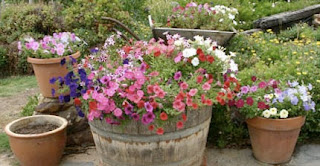
Keep them sheltered from harsh winds and hot direct sun all day. Planters are good for placing in front of fences, walls, drainpipes or other unsightly eyesores. If you plant some drought tolerant plants together they should do well as they are suited for and thrive in dry conditions. They will not need as much care, direct sun or require special soil. Most annuals do fine in tubs, containers or baskets because they are bred to be compact and flower all through the summer season. You can pack a lot together for a big show of color. Below is an example of a window box full of Purple Petunia with a large impact.


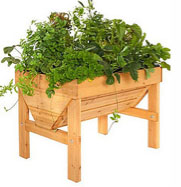
Annuals are easy to care for if you trim off stems that are setting seeds. This promotes branching and new growth so you will have blooms all season. Perennials that bloom at different times can add charm in a large planter, so maintenance is easy. Deadhead the spent blooms once or twice a week to keep your pot garden looking good. Clean out weeds as you see them or apply mulch to cut down on work. Take a walk through the garden daily to look for pests who damage foliage or check out seedlings that may require some extra care or water. On extra hot days they may be stressed and wilting from too much sun. Newly planted seedlings will need water often until they are rooted. This applies to vegetables too. You can group together the plants that have similar needs. Space them close so they won’t dry out as fast. Raised beds are also an option to help reduce watering and keep weeds down to a minimum. If you know some one handy you can have custom planting tables made in any size to fit your needs. These are excellent for growing herbs and veggies, are portable and require little bending.


How to propagate by dividing


Selling extra plants after dividing large over grown clumps can be a way to share with others and even make a little money. You can also trade with other gardeners for plants you don't have. Be sure to label the divisions as you pot them with name and color of blooms.

If you have perennials that are too big for their spot, dividing them is the best option. Splitting the clump is good for the plant if it has stopped blooming because the roots may be so compacted and root bound it needs to be rejuvenated. The best time for dividing is early spring before the plant grows and the leaves are too big. If the perennials flower in spring wait until they are finished to dig up and divide.


1. First dig up the whole root ball and remove most of the soil. Cut off any old roots that look black or show signs of holes from insects feeding.

2. Use a sharp knife, spade or garden forks to pry apart into half and then quarters.

3. Trim off about half the length of the roots to promote new growth. Replant the divisions or pot up to give to friends or sell. Cut off the old flower stems and divide all other plants when the heat of summer is over and the plants can be cut back.

4. It’s best to divide rhubarb in fall time (September) this gives it time to root in before winter.

5. All potted perennials need to be protected over winter. If you want to save them to add to a new garden space in spring you need to have a holding spot in soil to sink them underground to overwinter in the pots. Make sure to put the pots deep enough to just cover the rim of the pot with soil then mound soil up around the crown of the plant. In spring you can dig up the pots to replant the perennials in a new garden or even sell them.


6. Making A New border or island garden? Plan Ahead. The extra plants you have stored in pots may be used in a future garden in the near future. I have become too lazy in my retirement for digging up grass for new flower gardens so to save time I use newspaper, scraps of carpet or dark colored tarp to lay on top of the grass. Layer this in late summer or fall and leave it all through the winter until May when the ground has warmed. Dig it up remove any remaining weeds or grass and add some compost or manure. Wait a couple of weeks and rake again to be sure all is cleared, then plant the perennials you have saved in pots.