Sunday, March 29, 2020

Spring: Time to start Seeds

It’s spring, you are getting excited about the warm weather and might want to start seeds and get gardening. But it is still too chilly outside to do anything but clean up some garbage or rake leaves. First consider how long it takes to get the seedlings ready for planting. Some take longer to germinate, some grow slowly, some need a nice warm place and some only require two weeks. Generally most seeds like annual flowers like sunflower, snapdragon, nasturtium, hollyhocks, four o’clock and Nicotiana (flowering tobacco) will need to be sown indoors by mid April. Herbs like dill, parsley, basil can be done in pots anytime or in the ground outside by the end of May. If you want to start tomatoes or peppers you need to start them in pots indoors by March. All other veggies like cucumbers, squash, pumpkin, melon can be started in the house by mid to late April.


Read seed packets for any special instructions to help germinate. Some large hard seeds need to be soaked first in a saucer of water to soften overnight. Some need to be covered with soil and some just sprinkled onto soil surface. Cover planted seeds in a container with a lid to keep them moist and warm by placing in a sunny window or on top of your refrigerator. It acts like a tiny greenhouse. They can be uncovered once they begin to sprout. (Be sure to sterilize your seed soil first by placing in an old roasting pan and heat on the lowest setting in oven to kill unwanted fungal bacteria.) Cook for an hour then let cool. This will cut down on fungal disease killing off the seedlings. Other good containers include large paper drink cups and plastic food or fruit cartons. Poke holes in the bottom for drainage and place onto plastic trays. Write on the outside of them to mark the name of the plant. You can water as many as ten or more at a time by pouring water in the tray to let it absorb from the bottom. Don’t over water, watch to see how much is absorbed in an hour to gauge the amount. If there's still water in the tray you have put too much. Seeds need to be moist not soggy and let them dry out in between.Generally add water each day if placed in a sunny location, but every ones house is different.

You can purchase different types of starter mix, but it should contain a good amount of peat, compost and black earth to give the seedlings plenty of nutrients.


Thursday, October 31, 2019

Teas for Health and wellness

General Tea Tips

Green tea is the freshest type of tea to buy and fights off many diseases like cancer and stroke. The black teas are processed but taste a little stronger than green, with a hearty flavor. All the teas contain antioxidants for good health and fight free radicals in our bodies. Tea is one of the most popular drinks in the world. The herbal teas don’t contain real tea but can be mixed with some for many added health and wellness advantages. Simply add a tea bag or tea infuser with loose dry leaves into a large jar, some fresh cut stems from your herb garden and steep outside in the sun for at least 6 hours. Strain and sweeten to taste. Add real lemon slices and ice for a refreshing summer tea.


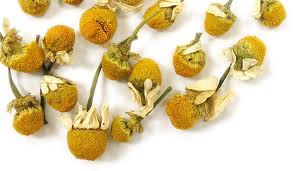
Dry some bunches of lavender, chamomile, parsley, catnip, mint, lemon thyme, bee balm. These can be added to tea (camellia sinensis) for aiding digestion, help with colds and flu to boost immune systems, reduce fever and headaches, cleanse for a detox tea after the flu. Peppermint tea aids gas and digestion as well as sleep. Mix lemon and honey to chamomile tea for insomnia. Yarrow, lambs ear and parsley will help boost immune systems to fight off colds, flu, sore throats, infections, allergies and fever. They also have antiseptic and anti-inflammatory properties. Catnip tea aids in a calming effect to aid sleep.


Herbal, black and green teas all need to steep at least 5-8 minutes to release the oils for flavor. You may mix all kinds of cool teas for iced drinks or use in smoothies. The health benefits are endless. Use boiling water to steep 2 or 3 teaspoons of dry herbs with loose tea leaves in a tea ball or strain. Cover the pot to allow the tea to infuse. Strain and drink hot or cold. Cold tea should only be kept in the refrigerator for a day. Add honey, lemon or maple syrup or stevia to sweeten.


SUN TEA: For a basic herbal tea, place a couple of tea bags or loose tea in a large glass jar of water, add a cup of fresh mint leaves and cover with a lid. Place the jar out in direct sun for at least 5 or 6 hours to steep. Strain, sweeten to your own taste and add lemon slices and ice. The benefits of tea are endless and are easy to add to a daily diet. The natural antioxidants fight high blood pressure, infections, strokes, intestinal cancer, wrinkles and aging, heart disease and controls cholesterol. It helps with tooth decay, pain and inflammation of joints and arthritis. The polyphenols in tea are what help our bodies in so many ways. Health and bulk stores sell many kinds of loose leaf teas and they all contain organic properties that we can use daily. Start out with 2 to 4 cups per day for a healthy drink. Lemon mint, Parsley, Thyme and Lavender are all very easy to grow in most any type of garden soil or in pots on a balcony or deck.


Sunday, October 27, 2019

Special plants with special uses as good companions

Herbs: plants of which the leaves, stems, roots and seeds are used for food, medicines, scent or oils for flavoring. They are helpful if gathered from the wild or home grown in gardens and can be most useful if planted along side other crop plants. There are a lot of ways to use plants to ward off pests, attract bees and other pollinators we need and want in our garden. They can be planted around other plants to deter bugs from dining and make organic fertilizer for plants. The strong smelling herbs contain oils and compounds as well as poisonous leaves you can put to good use to keep food safe. Yarrow, rosemary, chamomile, mints and dill can be planted in between the food plants. These help provide food and shelter for bees and butterflies so they can come to pollinate. They spread the pollen for foods like cucumbers, melons, squash, corn, wheat, potatoes, onion, beets, broccoli, cabbage, beans, peppers, pumpkin, strawberries and many other important foods we grow to eat. If not for them we would not have all our favorite fruits and vegetables.


Bees like colorful flowers and nectar but it’s the pollen that they come for, pick up and spread that aids your garden the most. A few good choices to bring the bees are: sedum, monarda or bee balm, basil,
lavender, clover, heather, globe flower, pulmonaria and goldenrod. The strong aroma in herbs are found in the oils of the plant contained in leaves, flowers and stems. Once you steep or ferment them you will have organic insecticide or fertilizer for various uses around your garden.


Rhubarb and chrysanthemums have built in bug repellent. They are poison to humans also but can be made into an organic tea to spray on plants. Chop up some leaves and place in a large jar or bucket to let sit and ferment for 1 or 2 weeks. Keep covered then strain into a spray bottle. Keep all the utensils in a shed or garage for just this purpose. DON’T eat the sprayed plants for at least two weeks. To help keep pests under control use garlic, chives, basil, artimesia, hot pepper spray mixed with a teaspoon of dish soap. Some wild things that are easy to get for insecticidal soap are: dandelion, nettle, mint, tansy. Sunflowers, chamomile, yarrow, hyssop and basil have the flowers to attract many beneficial insects. Our ancestors used folk medicine handed down over generations to treat rashes, infections, coughs, for cooking and flavoring food, healing wounds, making perfumes and cosmetics and teas for General good health. Many of the teas are blended and contain vitamins and antioxidants to boost our immune systems and fight free radicals that harm our bodies.

Tuesday, October 22, 2019

Plants for Health and Wellness

Medicinal Plants

Using plants for medicine has been a common practice for thousands of years. People have dried them for cooking, tea, vinegar, soap, shampoo, or to treat illnesses like headaches, asthma, gas and sore throats. Some of the most common herbs to aid in sleep or relax us are easily grown in our backyard gardens. A good many of the plants used for medicinal teas or flavored vinegar are: basil, dill, peppermint or other mints, parsley, lavender, bee balm, chamomile, marjoram, sage, lemon balm, oregano, chives, garlic, catnip, yarrow and thyme. Soaps, compresses’ and bath salts are very easy to make using your own dry plant material. Moth repellent bags are easily made of dry herbs, hung in closets or tucked in linen drawers for seasonal storage of wool coats or blankets.

Drying herbs can be done by hanging them in a closet or shed, in a dehydrator, or in an oven on the lowest temperature setting. Once dry store the blooms and leaves in a airtight container or jar.

To make bath bags to give as gifts for family and friends, use dry herbs as follows:

A sweet mixture using dry rose petals makes for a soothing bath or foot soak along with dry sage, lavender and parsley. Mix a few teaspoons of herbs to 1/2 cup of Epsom salts or sea salt. For a large jar mix 1 cup herbs to 3 cups salts, cover with a lid and infuse about 2 weeks. Essential oils can be mixed in too, then cut 8 inch squares of Muslim or any gauzy shear material. Place a 1/2 cup of mix in the middle of the cloth and tie with a ribbon. Store your bath bags in a lidded container or jar. Just throw a bag into your foot bath or tub and leave it for 5 to 10 minutes. These bags ease stress, help with aches and pains, calm and promote sleep, soothe dry skin and heal insect bites.

Many herbs are also used to make lotions, lip salves, ointments, wines, vinegar, flavor butter, gargles for sore throats and many other health issues. Parsley tea is loaded with vitamin C and will calm a cough as well as boost your immune system. Add it to meatloaf or potatoes every day for good health. Fresh and dry herbs can be used in bread, salads, pickled vegetables, pesto, sauces and marinated meat dishes. Use and grow a few of the herbs you like. Dill, parsley, rosemary and basil all grow well in pots indoors and out, can be easily cared for to use year round

 ROOM Freshener Spray

Mix in a small spray bottle: 1/4 cup cooled boiled water, 2 tablespoons of vodka (40%) alcohol and 20 to 30 drops of essential oils. Combine lavender and lemon for a fresh bright scent to clean fabrics or just as an air freshener. Make your own combinations to refresh linens, spray onto curtains and sofas, or to add a wonderful natural scent to sweaters or jackets.

Wednesday, September 11, 2019

House plants for clean air

With the cooler weather coming soon it’s time to get a few houseplants that filter your indoor air. Easy to grow plants that thrive with minimal care and water are the best way to help clean, absorb and eliminate harmful pollutants from the air. These plants reduce toxins indoors as they suck up bad VOC’s (volatile organic compounds) that are found in new plastic, carpets, wood products, paint and even cigarette smoke. They are most dangerous in winter months when we close our windows and doors. Testing has shown that VOC’s cause headaches, cancer, eye, ear, and throat irritation, nausea, damage to kidneys and liver as well as central nervous system in humans and animals. Some are more toxic than others but it depends on how much concentrated these hazardous compounds are in your home. One way to avoid them is to look for products marked LOW-VOC or no VOC’s when making new purchases. Tropical plants can help reduce VOC’s.


Snakeplant or Mother-in-law-tongue is one that tolerates low to medium light and irregular watering. Plant in a pot and forget about it as it does well in any home. Just Do Not Overwater it. Aloe also does well in low light with very little care. It has fleshy stems that are succulent and stores water so is easy to grow. Jade plants and Kalanchoe are easy tropical plants that grow slowly, need little water and grow in most light conditions. They also tolerate cooler temperatures indoors. Wandering Jew is another one with patterned leaves in blue green or silver stripes. Use them in hanging baskets in a kitchen or bathroom where they can get some humidity. It’s easy to propagate new cuttings in water. Devils ivy is a vine from Polynesia that can grow rapidly if not trimmed. The heart shaped leaves are sometimes variegated or striped and glossy. They are good at removing VOC’s from our homes. Be aware that this plant is toxic to cats and dogs so keep away from pets.


Headera Helix (ivy) is a vine that can be trained as a topiary or living wreath indoors. Some can become invasive if not trimmed often but are easy to grow. Bamboo palms can be great in large pots and are very ornamental. When they become too large divide them and re-pot, or cut back the old part and it will regrow. They will be fine in low indirect light and can be as big as 12 meters high when full grown. Chinese evergreen and Peace lily both are others to consider but are toxic to animals if eaten.


Tuesday, September 10, 2019

Fall cleanup


Canna Lilies are a large summer bulb that has giant banana like plant leaves and grow to a height of 7 or 8 feet tall. There are many kinds with dark red leaves, variegated leaves of solid green. Blooms vary from dark red to orange in color. In fall dig up the entire plants, trim off the stems, dry and clean the bulbs to be stored in a cool dry place in your basement. Store in a wooden box that has holes for air to circulate to prevent rot. Do the same for bulbs like calla lily and any other summer flowering bulbs.
 

Fall is a good time to trim overgrown evergreens and flowering shrubs, cut back roses and trim vines for winter. You can cut off seed heads and trim perennials to about 5 or 6 inches. Some plants need to be covered with soil and or leaves to protect them from the cold. This is a good time to buy trees and shrubs at your garden center because they have them reduced on sale. Cooler temperatures in September are the ideal time to plant or move trees and shrubs. Be sure they get plenty of water if it doesn’t rain, right up to the end of October. This is a great time to dig up old or unwanted plants, things that are too large or a plant that has become root bound and didn’t bloom. Do this every 3 or 4 years for plants like hosta and day lily. As the leaves fall clean up and use in your compost pile. Plant garlic, shallots and young strawberries now as well as spring bulbs like tulips and daffodils. Dig up any summer bulbs like canna lily and dahlia, trim them, dry out and store in a box or mesh bag in cool dry basement over winter. Finish digging late potato crops before we get a hard frost, and bring your houseplants inside when the nights cool down to 10C or lower. Pick up any fallen fruit under trees, so pests don’t have a chance to overwinter in your yard. They like to crawl in and under rotting debris.


Clean, oil and sharpen all garden cutting or pruning tools before storing for winter. Stock pile as much plant material as you can now, bagging it up for composting in spring. Soft stems, annuals, leaves from trees can all be layered with kitchen scraps. Tender herbs can be potted up and brought indoors now for use in winter soups and stews. Cut back woody herbs like lavender and sage to about 6 inches. To grow a green manure plant some soybeans or rye and turn them over in early spring to rot and fertilize the soil. Use your evergreen branches to provide winter protection from winds on any tender perennials or shrubs like azalea and rhododendrons.

If you have perennials in pots be sure to dig a trench in the veggie garden to sink them in the ground to over winter. Be sure to place the pot deep in the ground and cover the rim of the pot with soil. Many hardy types will survive like this until spring and you can dig up the pots and decide to sell, give away or re-plant them in a new spot in your garden.

Tuesday, August 6, 2019

Rock gardens

You may have a gentle slope or uneven area in your yard that could be a rockery using some good size boulders and then rocks for the base with smaller ones for creating plant pockets. The highest area can be on the back or one side to create the illusion of even more height. Place taller plants there to help shelter the smaller plants from wind and sun. Add a short wall with brick or flagstone as well as places to step or informal paths in between to allow easy weeding and maintenance. Build your crevices and plant pockets with the smaller pieces of field stones to form outcropping and low areas, then fill with soil and compost to plant. All this can be planned out on paper ahead of time so you have a good idea of how much rock you will need, how many plants to buy and where they will go. Plant small bulbs like these mini allium. They are available with purple, white or yellow blooms. Most are finished blooming before the perennials and die back to disappear when finished.


You can plant a few and add to the rockery in between perennial plants over time. You may want a few low growing shrubs as well so buy and plant them first. They can be purchased in fall or on sale at the end of the season but don’t plant later than the end of September so they have time to become rooted well before winter. Creeping plants are great on the edge of walls and slopes if allowed to hang over to create a ground cover of blooms. SPRING: Don’t forget to plant a few spring bulbs in the fall, placed in between the late spring and summer perennials. They will add lots of colours to the garden early before anything else is emerging from the ground. Try mini tulips, crocus, grape hyacinth. Perennials for spring blooms include primrose, pulmonaria and rock cress.


EARLY SUMMER: Columbine, candytuft, thrift, bleeding heart, bellflower, lily of the valley, coral bells and Shasta Daisy will bloom in late May and early June. Mid to LATE SUMMER: Day lily, liatris, giant iris, Ajuga, lambs ears, thyme, artemisia, ornamental grass, black eye susan, sedum, Lady's Mantle and chrysanthemums all do well in rock gardens with mostly sunny locations. They are also drought tolerant plants once they become established in a rockery, need little care and water and don’t require special soil. Many low growing herbs like creeping thyme, creeping phlox and chives look great in crevices and pockets. Hens and chicks and low growing creeping sedum spread and root on the ground where their stems touch but are easy to control if trimmed back each spring. Use good top soil, compost with peat moss and manure when you start planting. This will allow the plants a good base soil to root in and become self sufficient for many years. Replenish with a top dressing of manure or compost every few years.


For winter protection from wind, freezing and thawing, simply leave some of the foliage to provide cover for the plants and clean up the dry stems and leaves in spring. Tender shrubs can be wrapped in burlap and roses need to be covered or collared with leaves to help with winters harmful wind and cold. Plant bulbs in October and see how much interest and color they add to your garden. Most spring bulbs die back when they are finished blooming at the end of May to make room for the perennials. Oxalis, Scilla, snowdrops and crocus all emerge as soon as the snow melts and do well in rock gardens. Mini tulips like “Tarda” are bright yellow and grow to 3 or 4 inches high. They have large 2 inch blooms and will multiply over time so you can dig some up and plant them all through the garden. Hyacinth and Daffodils also come in short mini varieties for a rockery.