Tuesday, April 21, 2020

Spring is time to divide

WHEN to DIVIDE?  Decide what to do with some of the overgrown plants by first inspecting each year in late summer or fall. I make note of a few perennial plants in my plant journal of those that are not flowering as well as they should because their roots are over crowded and have been in the same location for four or five years. First thing in spring I tackle those that need to be divided. Plants tell you when they are not happy. Perhaps the roots are a tight tangled mess and they need attention. There may be trouble with insects feeding on the roots. May be the plant has some old black roots from previous years that need to be removed.

It’s time to dig them up and discard the oldest parts of the root ball, keeping the youngest new growth and only replant a small piece to the locations where that plant does well. The rest of the root stock can be given to friends and family or shared with neighbors. Another option is to pot some up for selling. Trim roots and check rhizomes for soft spots or blackened shriveled areas that indicate rot. Cut off dead root stock and discard in garbage; never place this in your compost.


Many perennials like Day lily, Spiderwort, Sedum and Lily of the valley that require thinning out every year or so unless you have a very large garden to spread them about. I have experienced a particular variety of Sedum that doubled or tripled in size over one season and needed to be divided each year. That plant was one that required plenty of room. It's best to try to divide them in April or early May as they emerge from the ground before the plants get too big.

Shasta daisy are another plant that can double in size in a few years time so to keep them in check you need to dig up some plants and move, trade, sell or give them away. Perennials in the daisy family are the easiest to grow because they are not too fussy about the soil type or how much water they get. Very hardy and drought tolerant plants are the best ones to plant for easy care gardens. Plants like perennial yellow primrose are also easy to divide and tend to spread in a formed round shaped clump in the garden. Hosta can be done any time in spring or after they are finished blooming. For plants with tall stalks or large leaves, I generally divide them in spring just as they are sending up their new growth.


Liatris, Black Eye Susan, Chives, Hosta, Lavender, and all types of Sedum need little care or watering. Bears breeches, Culverts root, Yucca, Solomon Seal and Baptisia all grow two to four feet tall and add good height to a flowering garden border. Giant iris also can flower for all of May and even into June adding lots of interest with their spiky leaves as well as height and color. Giant iris are available with variegated foliage too. Divide in late summer if the plant blooms in spring. These are easy care plants that can be divided and shared with others. You may even want to trade with other gardeners who have similar plants in other varieties and colors. Locate a garden club, go onto garden blogs or local sites where people list plants for sale. Most gardeners are happy to trade with others who seek new plants.

Note: Do some research to avoid any plants that may be invasive.

This pink Astilbe is another easy plant to divide by root division every 5 or 6 years.


Thursday, April 2, 2020

How to deter squirrels and other pests

The large family of scented geraniums like this one above are excellent for keeping pests at bay. Many insects are attracted to them, feed on the leaves then die. The pesky Japanese beetles especially don't fair well if they visit and feed on them. Place large pots of these geraniums near plants that the beetles attack. It contains many essential oils that are used mainly for perfumes and scented products such as candles.  Mint and sage also have large amounts of oils in their leaves and stems that can repel pests.
 

If you plan to grow tulips and don’t want them to be dug up by rabbits or squirrels, place a few cloves of garlic in the planting hole along with the bulbs. Large planters and pots can be covered with chicken wire or stones to keep pests from digging. Once the leaves emerge make a spray of fermented garlic to keep pests from your yard. Be sure to renew after it rains or a few times a month. Rabbits don’t eat plants like gourds, tomatoes and peppers. Also use black and cayenne pepper on spring flowering bulbs like crocus and tulips to keep them from eating the blooms. Steep 2 tbsp. pepper in 1 cup water, add oil or vinegar and a few drops of dish soap with the strained mix, then spray on plants. To deter rabbits and squirrels try sprinkling kitty litter around the edge of the garden. They will not cross over this. You can put garlic in jars to ferment, punch holes in the top and place them around the garden. Add 2 or 3 cloves to each jar with 1 cup water. Ferment in sun for a few days first.


To keep mice and voles at bay and out of sheds, gather some tansy from road sides to dry and lay in bundles where pests build nests. They hate the smell. Ants: Try sprinkling baby powder in window wells, along foundation cracks and on window ledges to keep ants out. They also hate the smell of peppermint so place pots of herbal plants in pots near doors or in window boxes. To kill large colonies mix equal parts of borax and icing sugar and place close to any hills. They will take it into the nest to eat and it kills them.

Basic spring cleanup

You can get outside to clean up the garden as soon as the day time temperatures are about 15 C or 60 F. Remove any protective covers or collars from plants, clear away piles of leaves first thing after the snow is all melted. This allows moisture and light to the crowns of plants like hardy perennials and rose bushes to warm the earth and help them start new growth. Clear and cut off any old brown stems and leaves; discard them into the trash, do not compost. Take special care with moving large heavy planters that have been stored over winter. Roll round containers with soil and get help with cement pots and bird baths when needed to move them.

Check all trees, shrubs and ground covers for winter damage and remove broken branches or any part of the plant that appears black or rotted.

It’s a good idea to replace the top half of the soil in pots with fresh triple mix each spring. Also spring is the best time to add manure or compost to garden soil. After cleaning up, lay compost onto the surface of the soil. Apply it about two inches deep and let the worms do their thing. Well rotted manure or other organic fertilizer can be used this way too. If you are digging new gardens, add some manure or triple mix in your trenches, then mix well with soil using a garden fork. You can buy this mix or make your own. I often use black soil with peat moss, then add compost or bags of manure. Do this at least 3 or 4 weeks before you want to start planting. Decks, lawn furniture and garden ornaments all need to be washed for use in the spring. Use a bucket of soapy water to scrub, then rinse off with garden hose and let them dry out in the sun. This works for plastic, glass, ceramic pots too. Power washing is for walls, fences and decks. If you have a pond that needs cleaning you might want to start by draining the water to clean all debris before refilling it. Service and clean pumps and plastic tubes before starting them again.

Sunday, March 29, 2020

Spring: Time to start Seeds

It’s spring, you are getting excited about the warm weather and might want to start seeds and get gardening. But it is still too chilly outside to do anything but clean up some garbage or rake leaves. First consider how long it takes to get the seedlings ready for planting. Some take longer to germinate, some grow slowly, some need a nice warm place and some only require two weeks. Generally most seeds like annual flowers like sunflower, snapdragon, nasturtium, hollyhocks, four o’clock and Nicotiana (flowering tobacco) will need to be sown indoors by mid April. Herbs like dill, parsley, basil can be done in pots anytime or in the ground outside by the end of May. If you want to start tomatoes or peppers you need to start them in pots indoors by March. All other veggies like cucumbers, squash, pumpkin, melon can be started in the house by mid to late April.


Read seed packets for any special instructions to help germinate. Some large hard seeds need to be soaked first in a saucer of water to soften overnight. Some need to be covered with soil and some just sprinkled onto soil surface. Cover planted seeds in a container with a lid to keep them moist and warm by placing in a sunny window or on top of your refrigerator. It acts like a tiny greenhouse. They can be uncovered once they begin to sprout. (Be sure to sterilize your seed soil first by placing in an old roasting pan and heat on the lowest setting in oven to kill unwanted fungal bacteria.) Cook for an hour then let cool. This will cut down on fungal disease killing off the seedlings. Other good containers include large paper drink cups and plastic food or fruit cartons. Poke holes in the bottom for drainage and place onto plastic trays. Write on the outside of them to mark the name of the plant. You can water as many as ten or more at a time by pouring water in the tray to let it absorb from the bottom. Don’t over water, watch to see how much is absorbed in an hour to gauge the amount. If there's still water in the tray you have put too much. Seeds need to be moist not soggy and let them dry out in between.Generally add water each day if placed in a sunny location, but every ones house is different.

You can purchase different types of starter mix, but it should contain a good amount of peat, compost and black earth to give the seedlings plenty of nutrients.


Thursday, October 31, 2019

Teas for Health and wellness

General Tea Tips

Green tea is the freshest type of tea to buy and fights off many diseases like cancer and stroke. The black teas are processed but taste a little stronger than green, with a hearty flavor. All the teas contain antioxidants for good health and fight free radicals in our bodies. Tea is one of the most popular drinks in the world. The herbal teas don’t contain real tea but can be mixed with some for many added health and wellness advantages. Simply add a tea bag or tea infuser with loose dry leaves into a large jar, some fresh cut stems from your herb garden and steep outside in the sun for at least 6 hours. Strain and sweeten to taste. Add real lemon slices and ice for a refreshing summer tea.


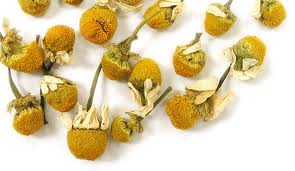
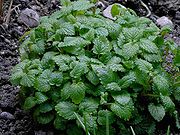
Dry some bunches of lavender, chamomile, parsley, catnip, mint, lemon thyme, bee balm. These can be added to tea (camellia sinensis) for aiding digestion, help with colds and flu to boost immune systems, reduce fever and headaches, cleanse for a detox tea after the flu. Peppermint tea aids gas and digestion as well as sleep. Mix lemon and honey to chamomile tea for insomnia. Yarrow, lambs ear and parsley will help boost immune systems to fight off colds, flu, sore throats, infections, allergies and fever. They also have antiseptic and anti-inflammatory properties. Catnip tea aids in a calming effect to aid sleep.


Herbal, black and green teas all need to steep at least 5-8 minutes to release the oils for flavor. You may mix all kinds of cool teas for iced drinks or use in smoothies. The health benefits are endless. Use boiling water to steep 2 or 3 teaspoons of dry herbs with loose tea leaves in a tea ball or strain. Cover the pot to allow the tea to infuse. Strain and drink hot or cold. Cold tea should only be kept in the refrigerator for a day. Add honey, lemon or maple syrup or stevia to sweeten.


SUN TEA: For a basic herbal tea, place a couple of tea bags or loose tea in a large glass jar of water, add a cup of fresh mint leaves and cover with a lid. Place the jar out in direct sun for at least 5 or 6 hours to steep. Strain, sweeten to your own taste and add lemon slices and ice. The benefits of tea are endless and are easy to add to a daily diet. The natural antioxidants fight high blood pressure, infections, strokes, intestinal cancer, wrinkles and aging, heart disease and controls cholesterol. It helps with tooth decay, pain and inflammation of joints and arthritis. The polyphenols in tea are what help our bodies in so many ways. Health and bulk stores sell many kinds of loose leaf teas and they all contain organic properties that we can use daily. Start out with 2 to 4 cups per day for a healthy drink. Lemon mint, Parsley, Thyme and Lavender are all very easy to grow in most any type of garden soil or in pots on a balcony or deck.


Sunday, October 27, 2019

Special plants with special uses as good companions

Herbs: plants of which the leaves, stems, roots and seeds are used for food, medicines, scent or oils for flavoring. They are helpful if gathered from the wild or home grown in gardens and can be most useful if planted along side other crop plants. There are a lot of ways to use plants to ward off pests, attract bees and other pollinators we need and want in our garden. They can be planted around other plants to deter bugs from dining and make organic fertilizer for plants. The strong smelling herbs contain oils and compounds as well as poisonous leaves you can put to good use to keep food safe. Yarrow, rosemary, chamomile, mints and dill can be planted in between the food plants. These help provide food and shelter for bees and butterflies so they can come to pollinate. They spread the pollen for foods like cucumbers, melons, squash, corn, wheat, potatoes, onion, beets, broccoli, cabbage, beans, peppers, pumpkin, strawberries and many other important foods we grow to eat. If not for them we would not have all our favorite fruits and vegetables.


Bees like colorful flowers and nectar but it’s the pollen that they come for, pick up and spread that aids your garden the most. A few good choices to bring the bees are: sedum, monarda or bee balm, basil,
lavender, clover, heather, globe flower, pulmonaria and goldenrod. The strong aroma in herbs are found in the oils of the plant contained in leaves, flowers and stems. Once you steep or ferment them you will have organic insecticide or fertilizer for various uses around your garden.


Rhubarb and chrysanthemums have built in bug repellent. They are poison to humans also but can be made into an organic tea to spray on plants. Chop up some leaves and place in a large jar or bucket to let sit and ferment for 1 or 2 weeks. Keep covered then strain into a spray bottle. Keep all the utensils in a shed or garage for just this purpose. DON’T eat the sprayed plants for at least two weeks. To help keep pests under control use garlic, chives, basil, artimesia, hot pepper spray mixed with a teaspoon of dish soap. Some wild things that are easy to get for insecticidal soap are: dandelion, nettle, mint, tansy. Sunflowers, chamomile, yarrow, hyssop and basil have the flowers to attract many beneficial insects. Our ancestors used folk medicine handed down over generations to treat rashes, infections, coughs, for cooking and flavoring food, healing wounds, making perfumes and cosmetics and teas for General good health. Many of the teas are blended and contain vitamins and antioxidants to boost our immune systems and fight free radicals that harm our bodies.

Tuesday, October 22, 2019

Plants for Health and Wellness

Medicinal Plants

Using plants for medicine has been a common practice for thousands of years. People have dried them for cooking, tea, vinegar, soap, shampoo, or to treat illnesses like headaches, asthma, gas and sore throats. Some of the most common herbs to aid in sleep or relax us are easily grown in our backyard gardens. A good many of the plants used for medicinal teas or flavored vinegar are: basil, dill, peppermint or other mints, parsley, lavender, bee balm, chamomile, marjoram, sage, lemon balm, oregano, chives, garlic, catnip, yarrow and thyme. Soaps, compresses’ and bath salts are very easy to make using your own dry plant material. Moth repellent bags are easily made of dry herbs, hung in closets or tucked in linen drawers for seasonal storage of wool coats or blankets.

Drying herbs can be done by hanging them in a closet or shed, in a dehydrator, or in an oven on the lowest temperature setting. Once dry store the blooms and leaves in a airtight container or jar.

To make bath bags to give as gifts for family and friends, use dry herbs as follows:

A sweet mixture using dry rose petals makes for a soothing bath or foot soak along with dry sage, lavender and parsley. Mix a few teaspoons of herbs to 1/2 cup of Epsom salts or sea salt. For a large jar mix 1 cup herbs to 3 cups salts, cover with a lid and infuse about 2 weeks. Essential oils can be mixed in too, then cut 8 inch squares of Muslim or any gauzy shear material. Place a 1/2 cup of mix in the middle of the cloth and tie with a ribbon. Store your bath bags in a lidded container or jar. Just throw a bag into your foot bath or tub and leave it for 5 to 10 minutes. These bags ease stress, help with aches and pains, calm and promote sleep, soothe dry skin and heal insect bites.

Many herbs are also used to make lotions, lip salves, ointments, wines, vinegar, flavor butter, gargles for sore throats and many other health issues. Parsley tea is loaded with vitamin C and will calm a cough as well as boost your immune system. Add it to meatloaf or potatoes every day for good health. Fresh and dry herbs can be used in bread, salads, pickled vegetables, pesto, sauces and marinated meat dishes. Use and grow a few of the herbs you like. Dill, parsley, rosemary and basil all grow well in pots indoors and out, can be easily cared for to use year round

 ROOM Freshener Spray

Mix in a small spray bottle: 1/4 cup cooled boiled water, 2 tablespoons of vodka (40%) alcohol and 20 to 30 drops of essential oils. Combine lavender and lemon for a fresh bright scent to clean fabrics or just as an air freshener. Make your own combinations to refresh linens, spray onto curtains and sofas, or to add a wonderful natural scent to sweaters or jackets.